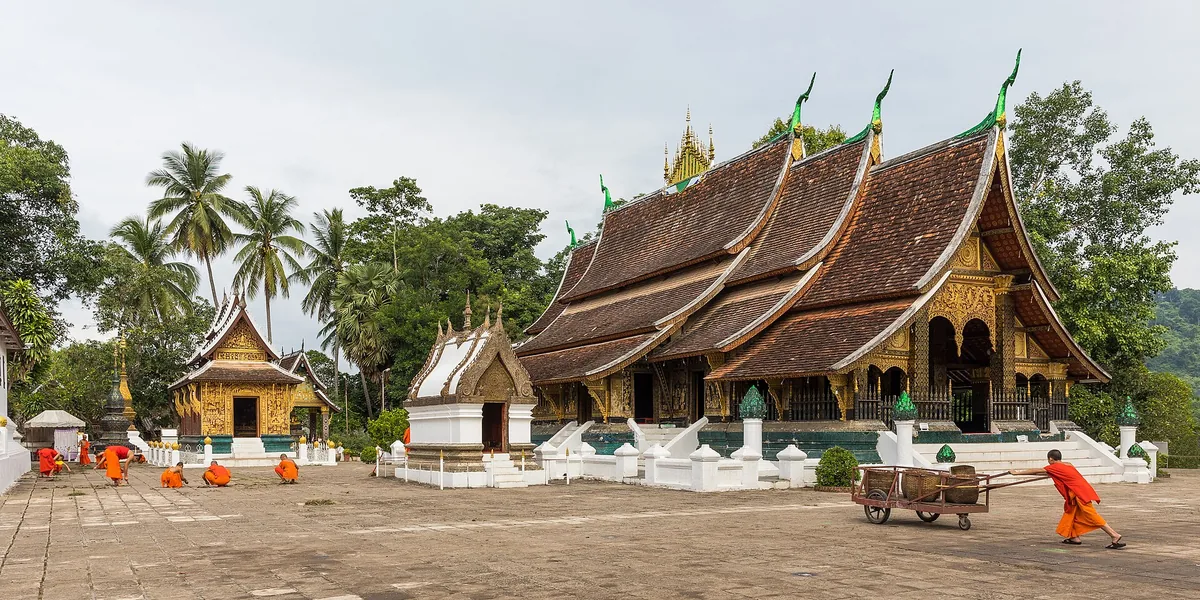
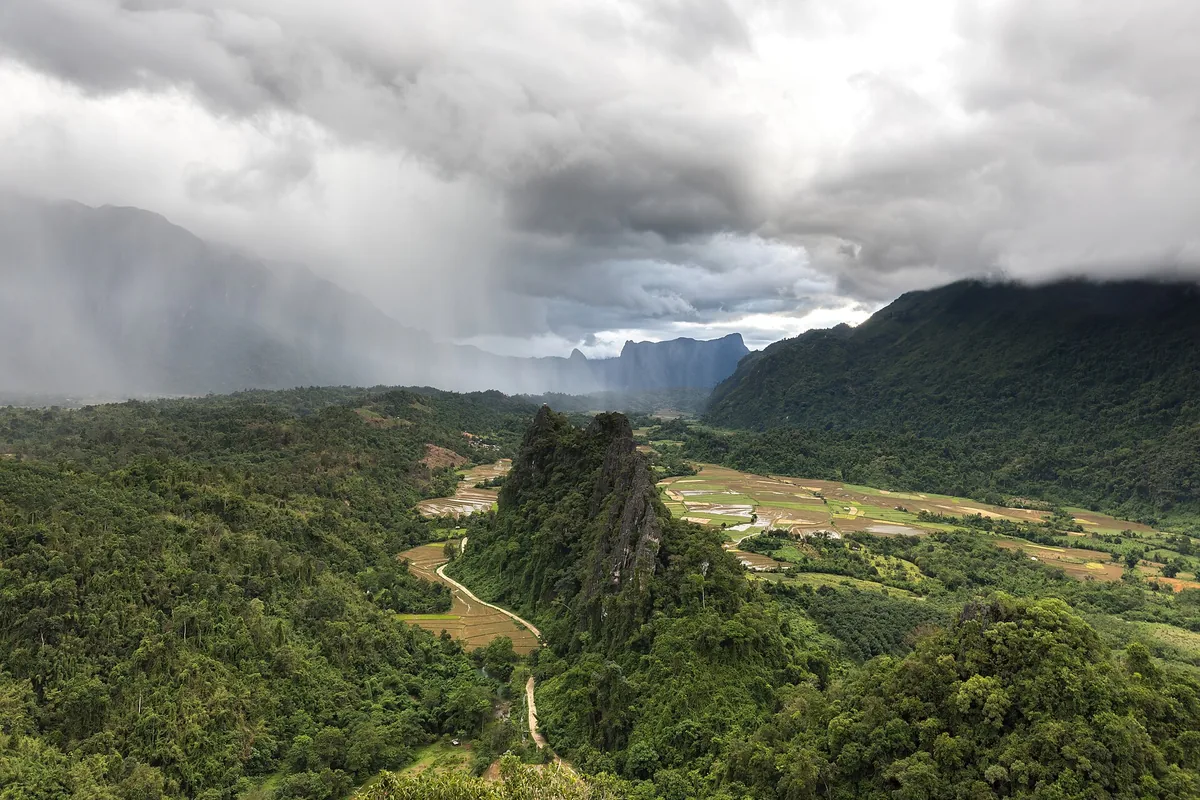
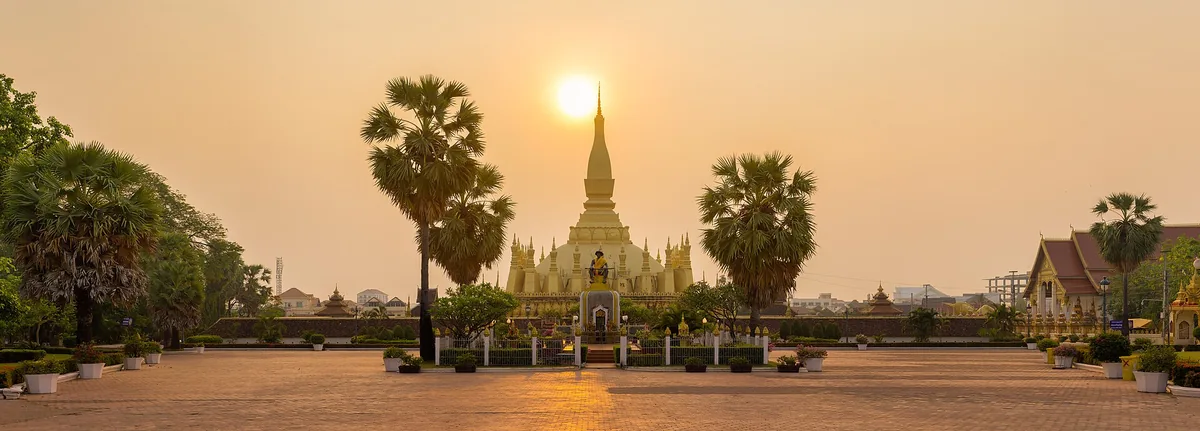
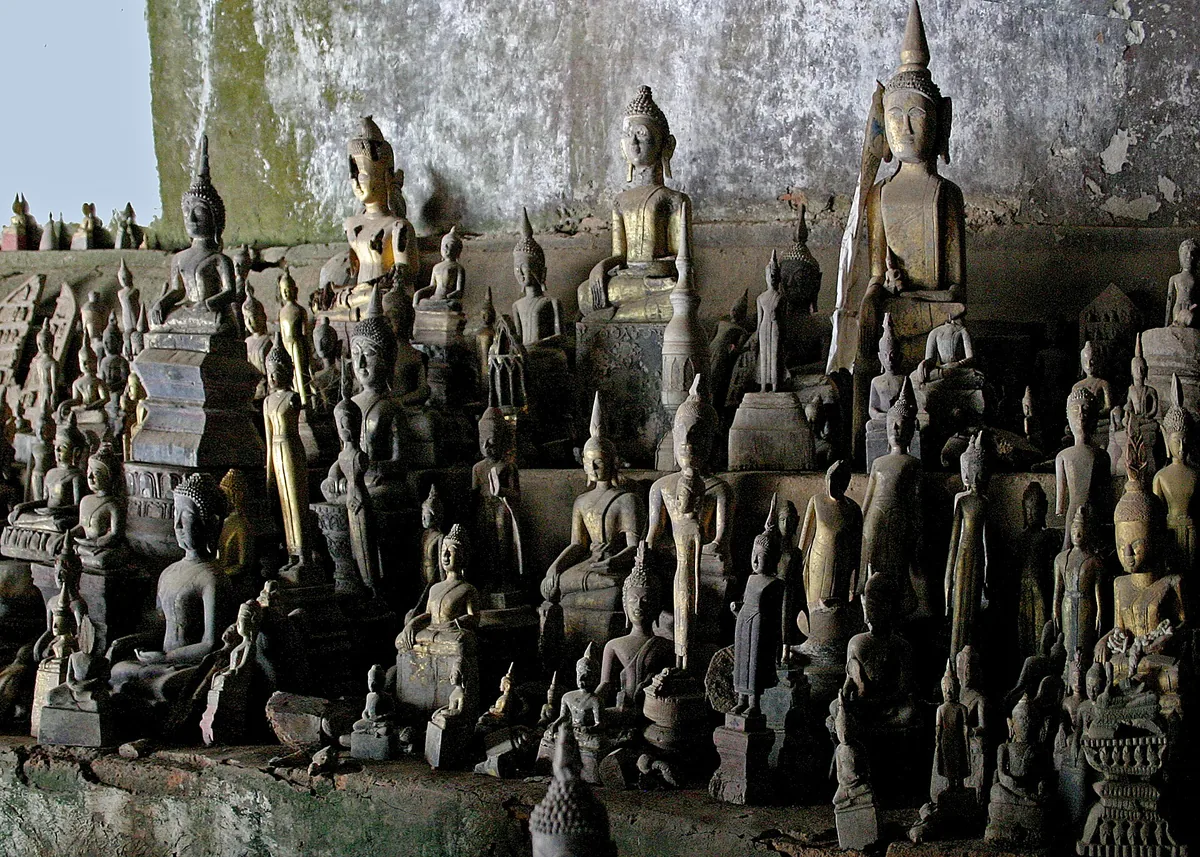
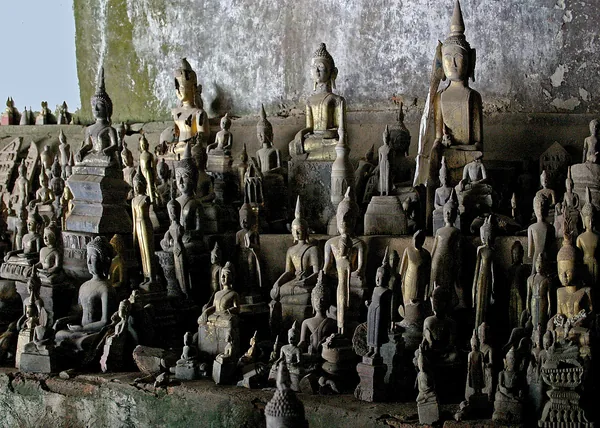
Laos was Lan Xang — the kingdom of a million elephants — from the fourteenth century, and for three hundred years it was the largest state in Southeast Asia. It broke into three in 1707, fell to the Siamese, and was taken by France in 1893 as the last and least-considered piece of French Indochina.
The twentieth century was hard in a way the country still does not advertise. Between 1964 and 1973 the United States dropped more than two million tonnes of ordnance on Laos, most of it on the Ho Chi Minh trail in the east — more bombs than fell on Germany and Japan together in the Second World War, on a country that was never formally at war. Around a third failed to detonate, and clearing it is still ongoing work.
The monarchy ended in 1975 and the Lao People’s Democratic Republic has governed since. What a visitor meets is a country that is quiet, courteous and unhurried, and which has decided not to chase the tourism its neighbours built. The railway to China opened in 2021 and is changing that faster than anything in fifty years.