Island of Serendipity

Sri Lanka

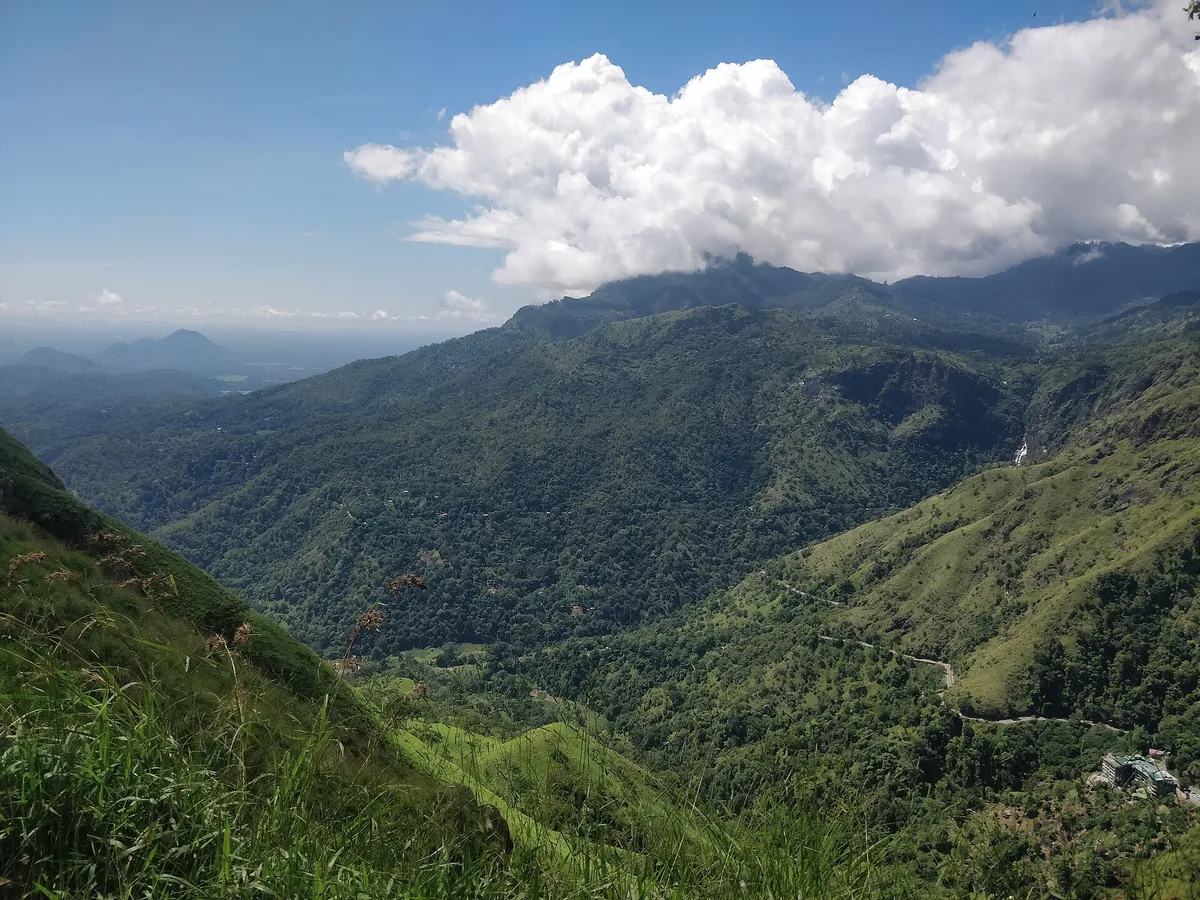
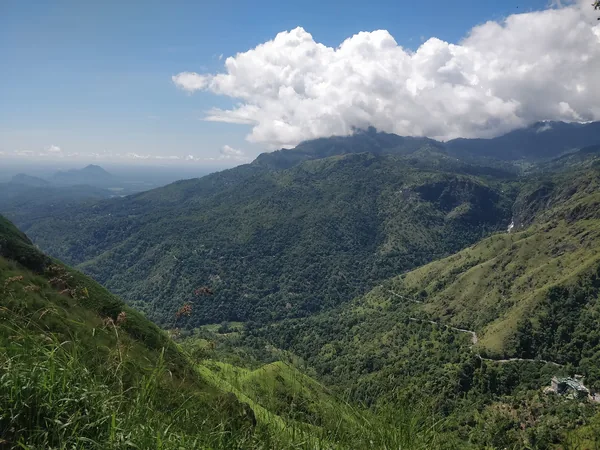
Hill country by train, leopards at first light and a coastline that never quite ends. Close enough for a long weekend.

Sri Lanka is the shortest flight abroad from South India and one of the most varied countries for its size. You can be in tea country by lunch and on a beach by evening.

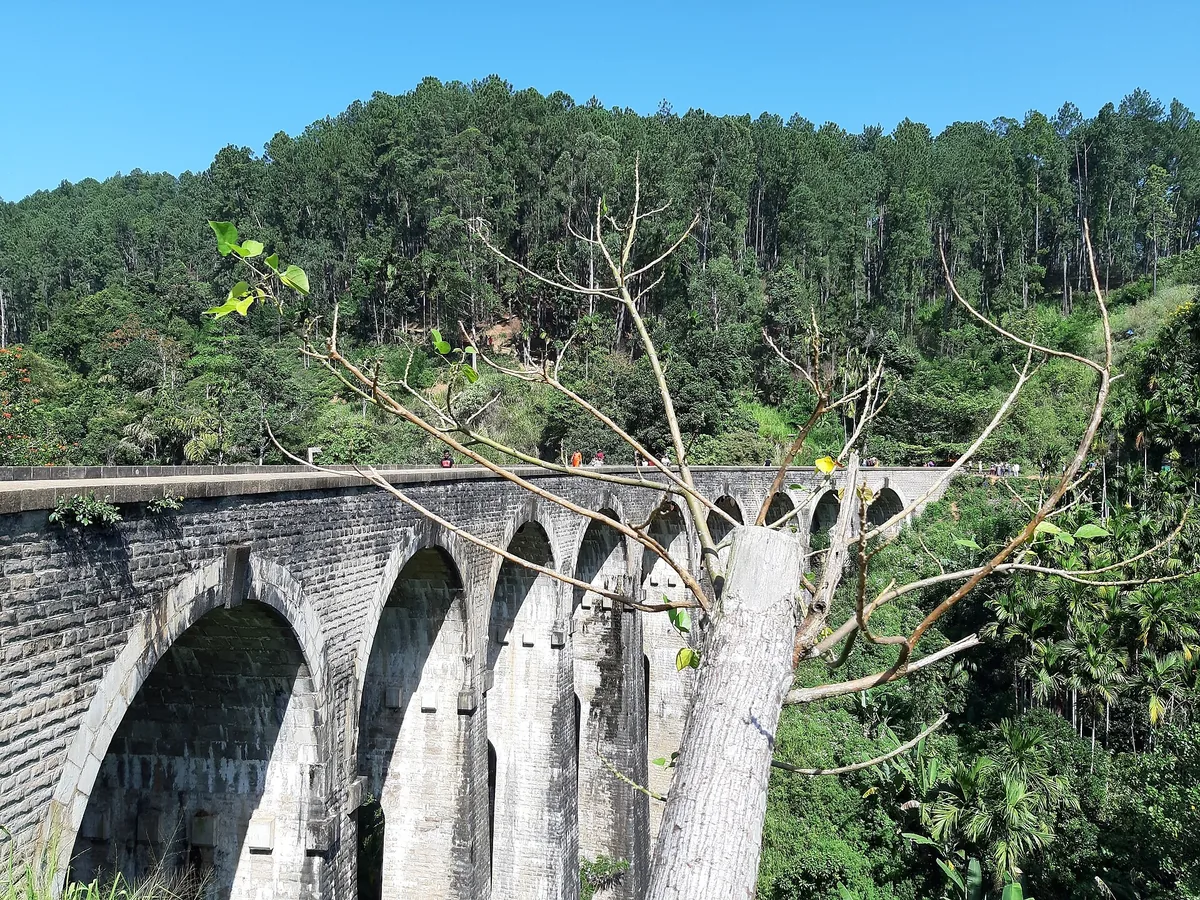
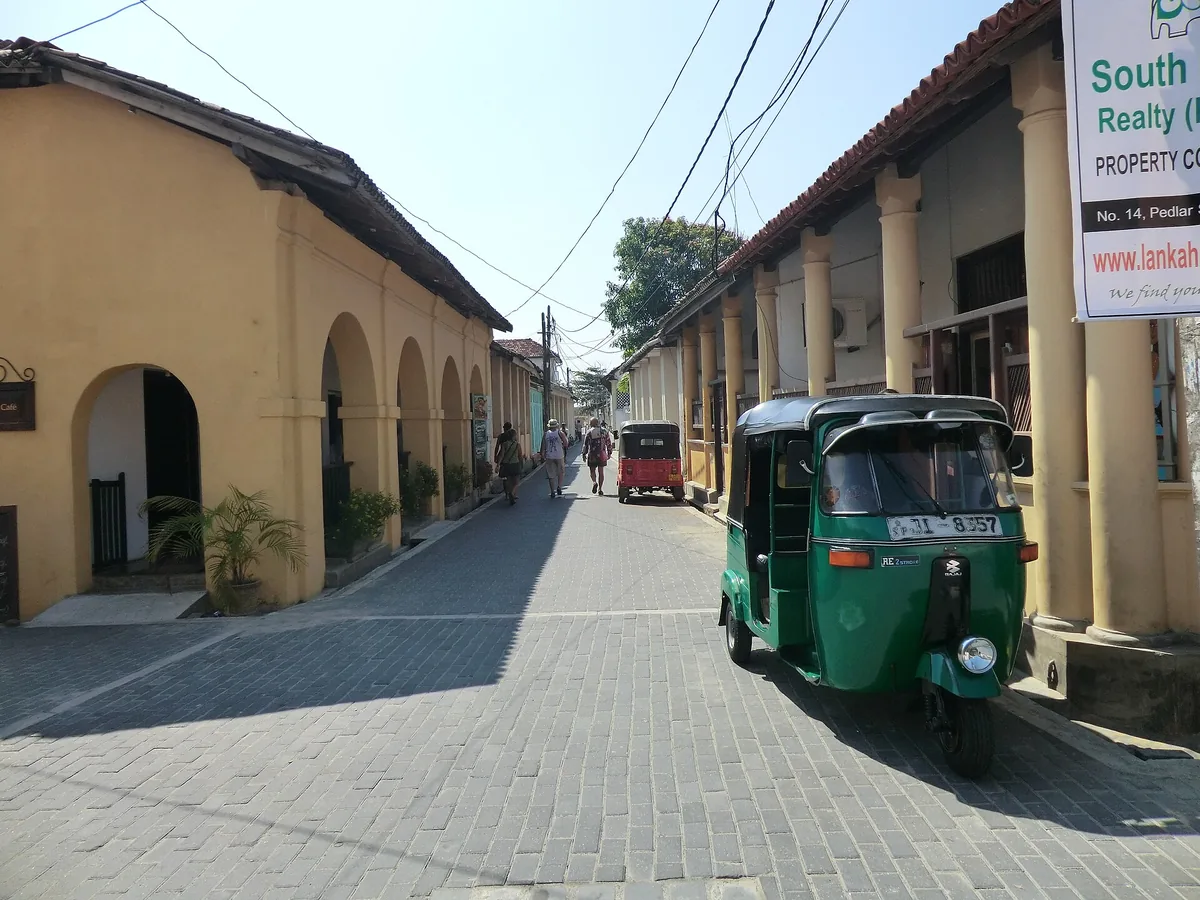
The train from Kandy to Ella is worth building the trip around. Everything else — the fort at Galle, the leopards at Yala, the whales off Mirissa — arranges itself neatly around that line.

Airports
Bandaranaike (CMB)
32 km north of Colombo and on the expressway. Mattala (HRI) in the south exists but almost nothing flies there.
Best months
December to March
For the west, the south and the hills. May to September for the east coast instead.
Flight time
1h 30m from Chennai
Around 3h 30m from Delhi. Ten Indian cities fly direct.
Nights to allow
7 to 10
Five is enough for one half of the island. It is not enough for both.
Visa
ETA before you fly
Apply at eta.gov.lk. The terms for Indian passports have changed more than once — check rather than assume.
Money
Sri Lankan rupee
Cards in hotels and cities, cash everywhere else. Indian rupees are not accepted and UPI does not work.

Getting there

Direct flights to Sri Lanka

Direct flights from India to Sri Lanka Map of India marking 10 cities with direct flights to Sri Lanka — Colombo from Chennai, Tiruchirappalli, Madurai, Bengaluru, Kochi, Thiruvananthapuram, Hyderabad, Mumbai, Ahmedabad, Delhi; Jaffna from Chennai. Chennai Tiruchirappalli Madurai Bengaluru Kochi Thiruvananthapuram Hyderabad Mumbai Ahmedabad Delhi Colombo Jaffna

Indicative map, not to scale. It shows which cities fly direct — not exact positions or distances.

10 Indian cities fly direct to Sri Lanka.

Colombo

  • Chennai
  • Tiruchirappalli
  • Madurai
  • Bengaluru
  • Kochi
  • Thiruvananthapuram
  • Hyderabad
  • Mumbai
  • Ahmedabad
  • Delhi

Jaffna

  • Chennai

Who flies it

  • SriLankan Airlines
  • IndiGo
  • Air India Express

Decide first

Which part of the island, and who each one suits

Arrival and city At the airport

Choose it if

  • You are flying in late or out early — Negombo is twenty minutes from the terminal and the easiest first night on the island.
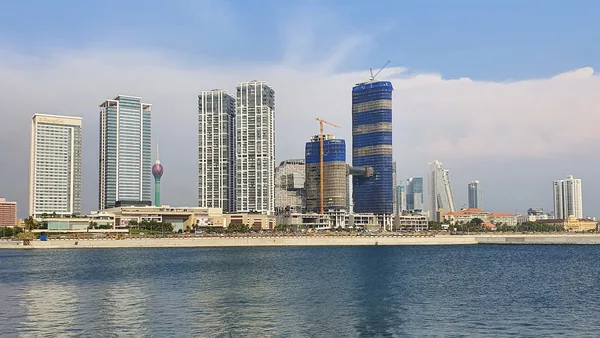
  • You want a city day: colonial streets, good food, and the one place where every community on the island lives in the same few roads.
  • Your trip is short and you would rather not spend the first morning in a car.
  • You are shopping — tea, textiles and gems are all cheaper and better here than at the sights.

Think twice if

  • You came for scenery. This is the least scenic coast in the country.
  • You want to swim. The beaches here are for sunsets, not for water.
  • You have five nights and want both hills and beach — Colombo is the night you should give up.

Decide second

When to travel, month by month

taller bar means more rain

Pick a month to read it in full.

Northeast monsoon

January

Rain
Dry
How busy
Busy
Daytime
28 to 31°C on the coast

Dry on the west, the south and in the hills; wet on the east. The classic route — Colombo, the cultural triangle, the hill country, the south coast — works perfectly now, which is precisely why it costs the most it will all year.

Background

A little history

The history is older than most people expect. Buddhism arrived in the third century BC, carried across by Mahinda, son of the emperor Ashoka, which is why so much of the island feels half familiar to an Indian traveller and half not. Anuradhapura was the capital for over a thousand years. Sigiriya, the rock fortress with the frescoes near the top, went up in the fifth century for a king who had murdered his father and did not expect to be forgiven.

Then came the coast. The Portuguese landed in 1505, the Dutch took over in the 1650s and rebuilt Galle into the fort you walk around today, and the British arrived in 1796, taking Kandy in 1815 — the last kingdom on the island to fall. Independence came in 1948, and Ceylon became Sri Lanka in 1972, though the tea still ships under the old name.

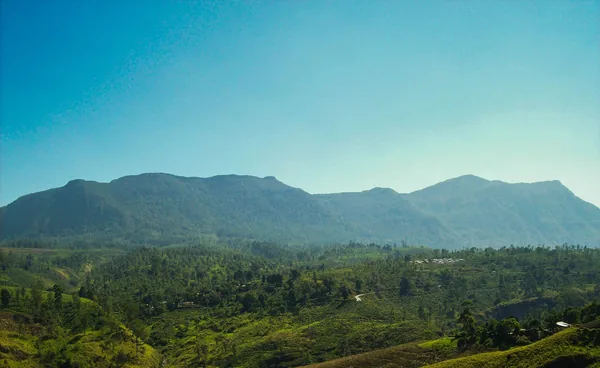
That tea is the reason the train exists. When blight destroyed the coffee plantations in the 1870s the planters replanted with tea, and a railway was pushed up into the hills to bring it back down. The line from Kandy to Ella was built to move cargo. The view was an accident.

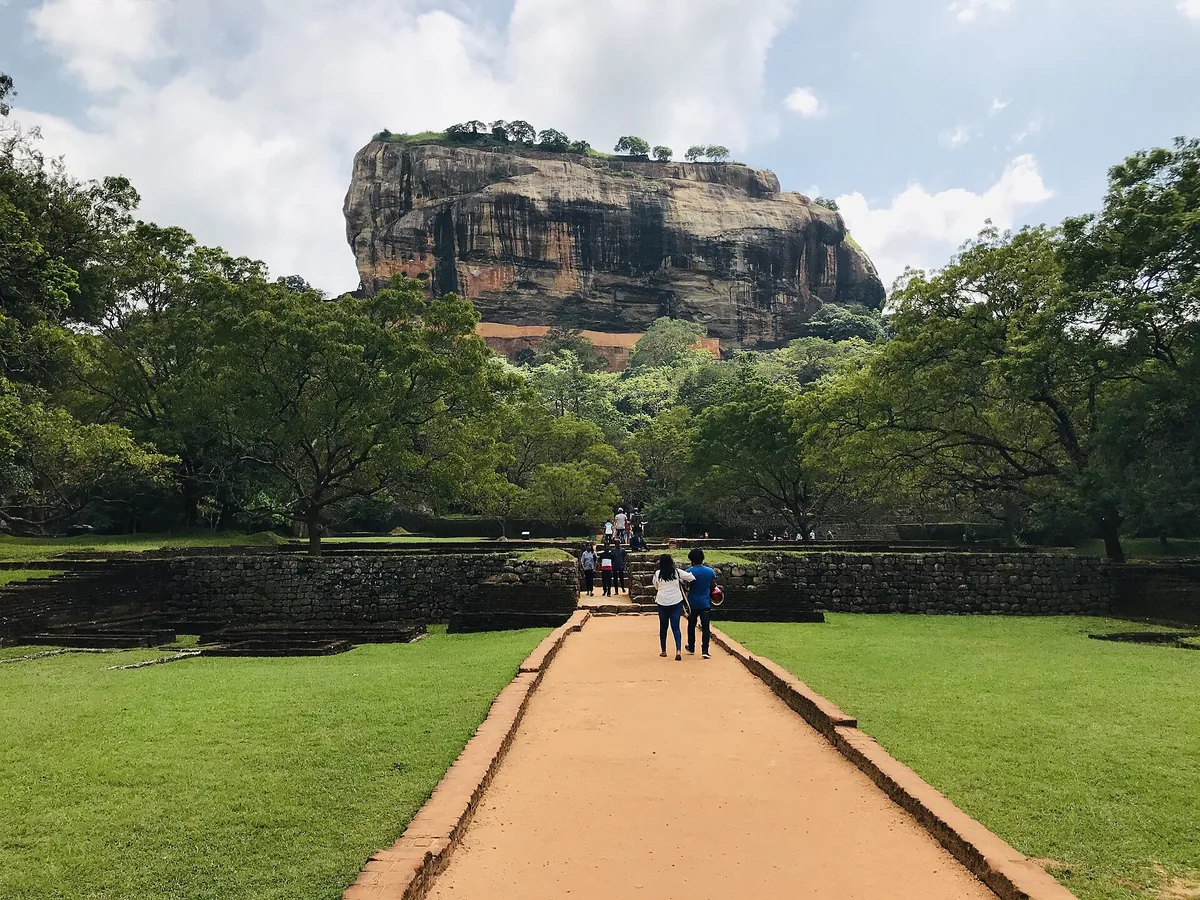
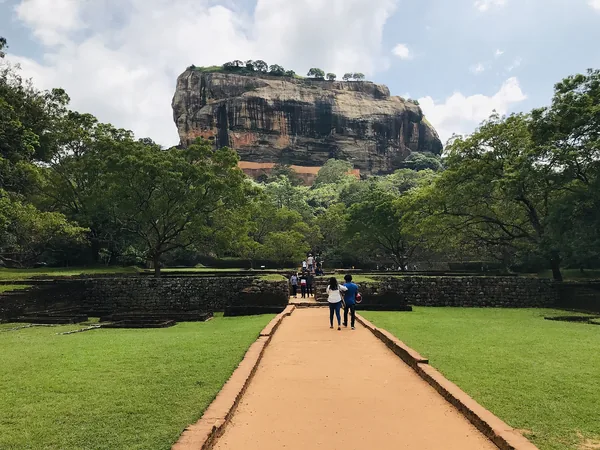
The Sigiriya rock fortress rising out of flat green jungle.
Photo: WKMI96 · CC BY-SA 4.0
The Nine Arch Bridge near Ella, a stone viaduct curving through tea country.
Photo: Ravindu Thaksara · CC BY-SA 4.0

The line from Kandy to Ella was built to move tea. The view was an accident.
Practical

Know before you go

Visas and entry

Indian passports need an ETA — an electronic travel authorisation — arranged online before you fly rather than on arrival.

Sri Lanka has changed both the fee and the application portal more than once in recent years, and has run stretches where the fee was waived for Indian travellers altogether. Rather than print a number here that may already have moved, we confirm the current position in writing when we quote your trip.

Money

The Sri Lankan rupee. Awkwardly, it is also written Rs, so read menus carefully — the numbers look alarming until you divide. Roughly one Indian rupee buys about three and a half Sri Lankan rupees, which puts 1,000 LKR somewhere near ₹285. Treat that as indicative and check the rate the week you travel.

Cards are fine in hotels and city restaurants. Everywhere else, carry cash. ATMs are easy to find in Colombo, Kandy and Galle, and thin on the ground in between.

The country in brief

Size
65,610 km², a shade over half of Tamil Nadu
Shape
445 km top to bottom, 225 km across at the widest
People
About 22 million
Run as
9 provinces, 25 districts
Highest point
Pidurutalagala, 2,524 m
Economy
Roughly US$4,000 a head, tea, tourism, garments and remittances
Clock
UTC+5:30 — identical to IST, so nothing to reset
Traffic
Drives on the left, like home

Two worth carrying. Sri Lanka elected the world’s first woman prime minister, Sirimavo Bandaranaike, in 1960 — before any other country anywhere. And Adam’s Peak is climbed through the night by Buddhists, Hindus, Muslims and Christians alike, each for a different reason, which tells you most of what you need to know about the place.

Plugs and power

Here is the useful part: the sockets take three plug types, and two of them are the round-pin plugs India already uses. Most of what is in your bag will simply fit. Pack one universal adapter for the British-style sockets and you are covered.

Type D Round pins. The old Indian 5-amp plug.
Type M The bigger Indian 15-amp round pin.
Type G British square pins. The one to pack an adapter for.

230 volts, 50 hertz — the same as home, so nothing needs a converter.

Language

Sinhala and Tamil are both official languages, which surprises people. If you are travelling from Tamil Nadu you will find Tamil on the road signs, on the banknotes and in daily use across the north, the east and much of the hill country.

English is the link language between the two, and is spoken well anywhere visitors go.

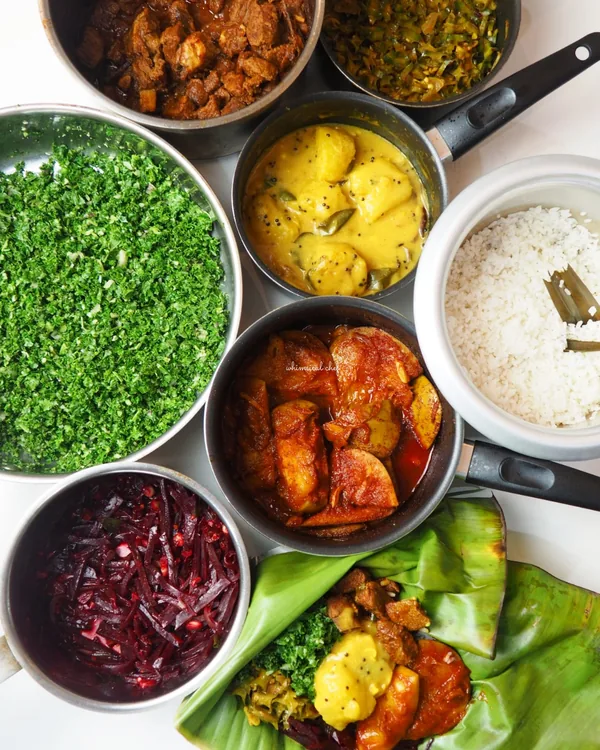
A Sri Lankan rice and curry spread, rice ringed by small dishes.

Food

Sri Lankan food is not Indian food, and it is usually hotter. Rice and curry means a plate of rice ringed by five or six small dishes, mostly vegetables, with coconut in nearly all of them.

Look for hoppers, the bowl-shaped fermented pancake eaten at breakfast with an egg cracked into the middle; string hoppers, which are idiyappam under another name; and kottu, roti chopped on a hot griddle with such a racket that you hear the shop before you see it. Lamprais — rice, meat and sambol baked inside a banana leaf — came from the Dutch Burghers, and is one of the last edible pieces of the colonial century.

Vegetarians eat very well here. Jain requirements need a day of notice and we arrange them.

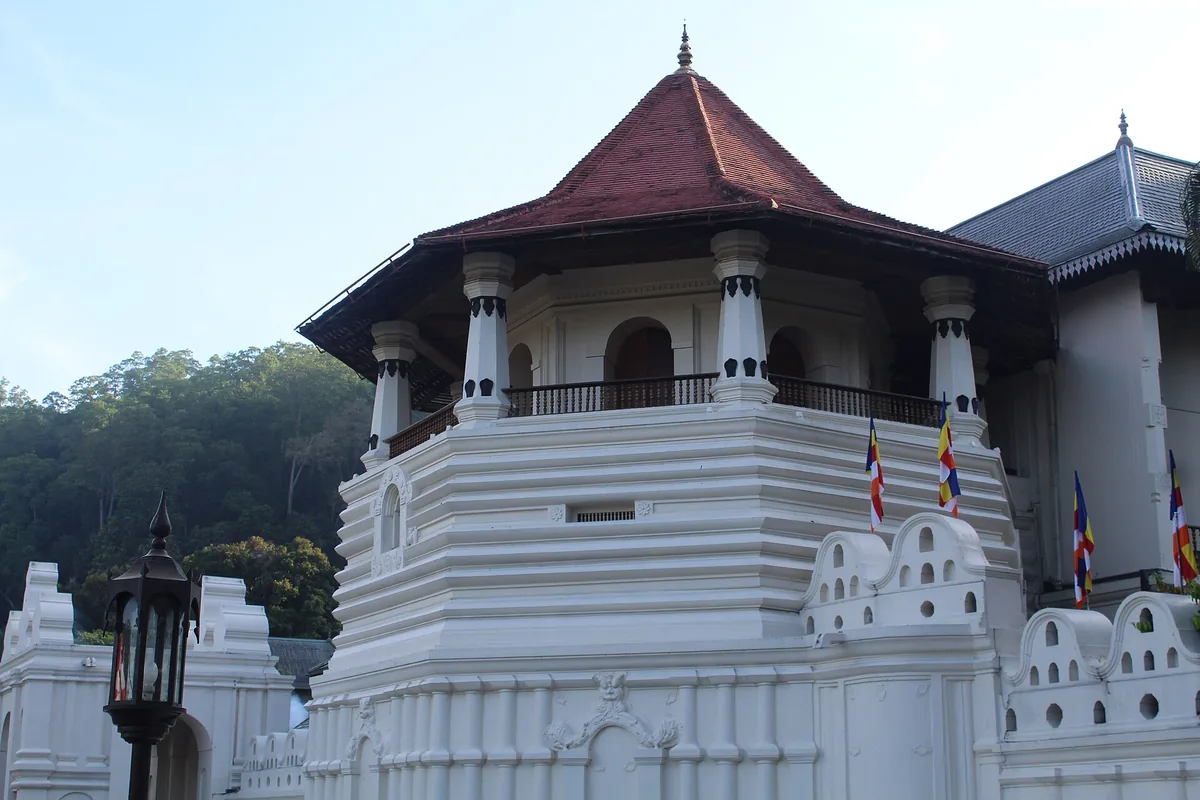
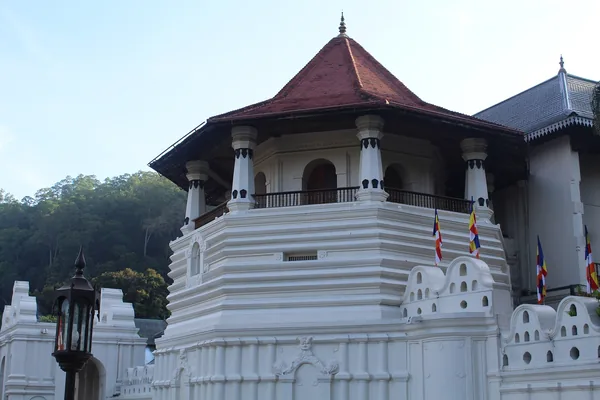
The Temple of the Sacred Tooth Relic in Kandy.

People and culture

About 22 million people. Sinhalese are the majority, with Sri Lankan Tamils, Moors and Indian-origin Tamils making up most of the rest. Theravada Buddhism is the largest faith, alongside substantial Hindu, Muslim and Christian communities — in parts of Colombo you will pass all four within a few streets.

At temples: shoes and hats off, shoulders and knees covered. It is worth doing properly rather than minimally.

How the country is run

A democratic republic with an executive president elected directly by the country, and a single-chamber parliament of 225 members.

A quiz answer worth carrying: Colombo is not the capital. Parliament sits at Sri Jayawardenepura Kotte, a few kilometres inland, while Colombo stays the commercial centre and the city everyone means when they say they have landed.

Worth knowing before you go

Two things are taken far more seriously than most visitors expect. Do not turn your back on a Buddha statue to pose for a photograph, and do not travel with a visible Buddha tattoo — people have been refused entry and deported over it. It is not a technicality, and it is not negotiable at the airport.

Beyond that: drink bottled water, use repellent because dengue is present year round, and take local advice on which beaches are safe to swim. The currents on the south coast change with the monsoon, and the safe beach in January is not always the safe beach in July.

Not sure where to start?

Talk to someone who has been. We will tell you honestly whether Sri Lanka suits the trip you have in mind.

Photography